
What to Wear to a Job Interview in Indonesia: A Practical Dress Code Guide
Before you say a single word in an interview, the interviewer has already formed an impression from how you look. That is not fair, but it is real. The good news is that dressing well for an interview is one of the easiest things to control. You do not need expensive clothes. You need clean, well-fitting, appropriate ones.
This guide explains why clothing matters, the main dress code styles used by Indonesian employers, what to wear on top and below, shoes and accessories, how to choose colours, and what to check on the day before.
Why Clothing Matters So Much
It Signals Professionalism and Discipline
Neat clothes suggest that you take the opportunity seriously and that you will also be careful with your work. Wrinkled shirts, stains, and missing buttons send the opposite message.
It Builds Your Own Confidence
When you know you look tidy, you stop worrying about your appearance and can focus on the questions. Many people feel more alert and capable once they are dressed properly.
It Shows Respect for the Company Culture
Dressing at the level of the workplace, or one step above, shows that you understand where you are applying. A bank expects something different from a design studio.
Understand the Dress Code Types
Formal or Business Professional
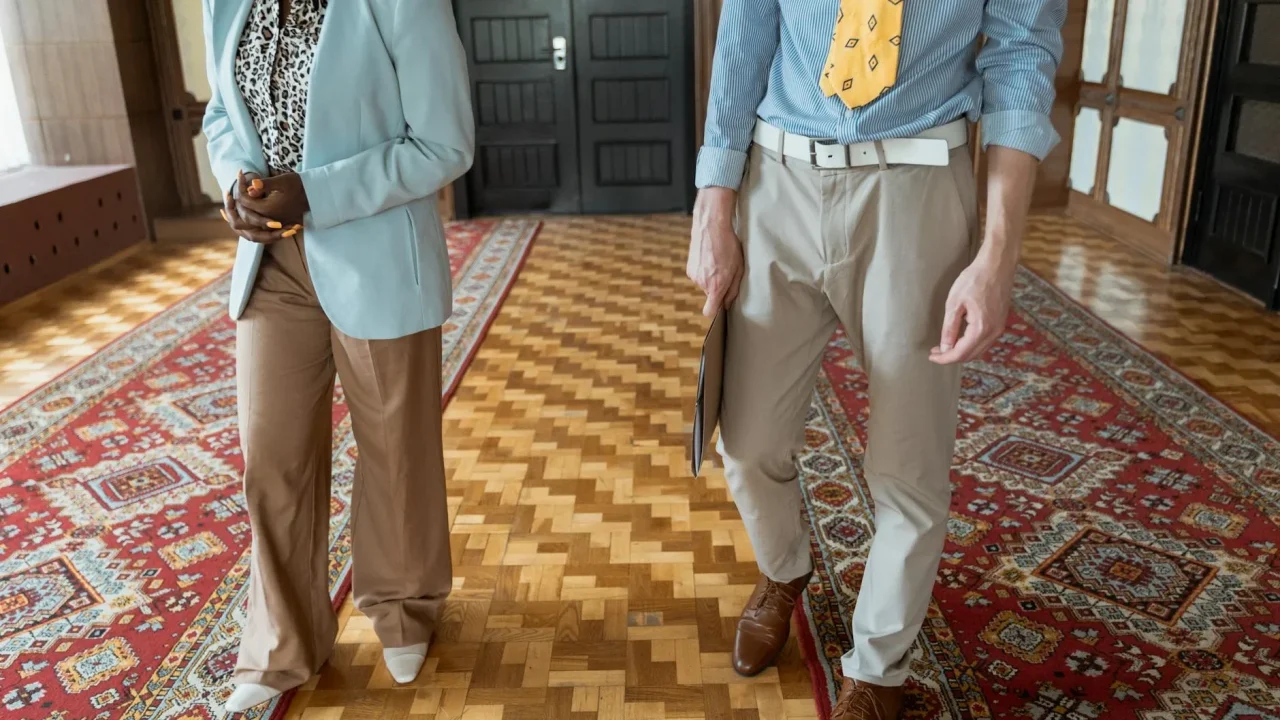
Common in banks, law firms, insurance, government offices, and large corporations. Men wear a suit or a long-sleeved shirt with tie and dress trousers. Women wear a blazer with trousers or a knee-length skirt, or a modest formal dress.
Business Casual
Typical for many offices, schools, hospitals, and mid-size companies. A collared shirt or blouse with smart trousers is enough. A blazer is optional but helpful.
Smart Casual
Used by startups, creative agencies, and some tech companies. You can wear a neat polo or plain shirt with chinos or dark jeans if allowed, but avoid ripped clothes, graphic T-shirts, and flip-flops. When in doubt, dress one level more formal than you expect.
If you are not sure which style applies, check the company website and social media photos, or politely ask the HR contact. Asking “Is there a dress code for the interview?” is perfectly normal.
Choosing Your Top
Plain Shirts in White or Pastel
A white or light blue shirt works in almost every industry. Make sure it is ironed, the collar is clean, and it is not see-through. Avoid loud patterns and large logos.
Blazers and Jackets
A well-fitting blazer instantly makes a simple outfit look professional. In Indonesia’s warm climate, choose a light fabric and take it off if the room is hot and the interviewer invites you to.
Blouses and Tunics for Women
Choose modest, non-transparent blouses with sleeves, in plain or very subtle patterns. Hijab wearers can pick a plain, well-pinned scarf in a neutral colour that matches the outfit. Keep the style simple so nothing distracts from the conversation.
Choosing Your Bottom
Tidy Trousers
Dark fabric trousers in black, navy, or grey are the safest option. They should be pressed and long enough to touch the top of your shoes.
Knee-Length Skirts
If you choose a skirt, it should reach the knee or below and not ride up when you sit. Test sitting down in front of a mirror before the day.
Fit Matters More Than Price
A cheap shirt that fits well looks better than an expensive one that is too big. If you have a limited budget, a local tailor can adjust a second-hand or borrowed piece for a small fee.
Shoes and Socks
- Men: black or dark brown leather or leather-look shoes, clean and polished. Avoid sneakers unless the company is clearly casual.
- Women: closed flats or low heels you can walk in comfortably. Very high heels and open sandals are better saved for another day.
- Socks: choose dark socks that match your trousers and are long enough that skin does not show when you sit.
Shoes are often overlooked, but interviewers notice them. If it is raining, bring a spare pair of socks and a plastic bag for wet shoes, and change before you go in.
Accessories and Grooming
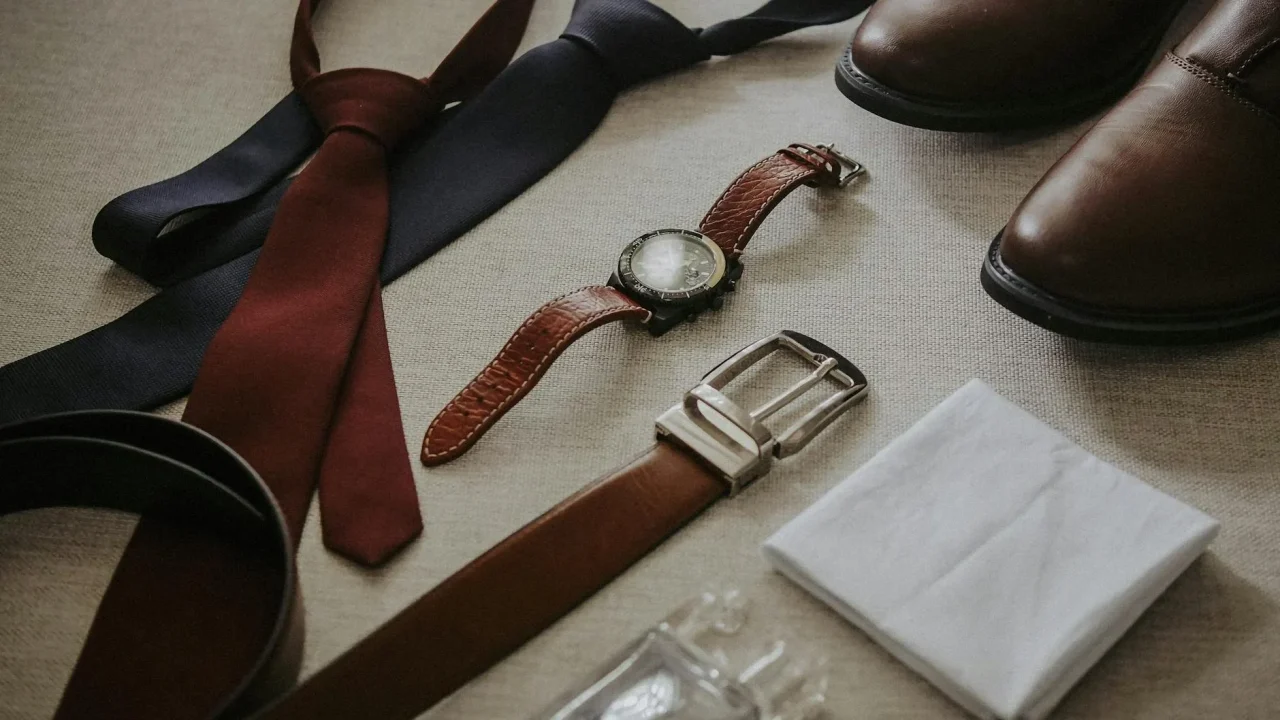
A Simple Watch
A plain watch is practical and also quietly shows that you respect time. It also stops you from checking your phone in the interview.
A Matching Belt
For men, a belt that matches the colour of your shoes completes the look. Check that the buckle is not too large or flashy.
Perfume and Make-Up
Keep scent light or skip it. Small rooms and air conditioning make strong perfume unpleasant. Make-up should be natural and neat. Hair should be clean and combed, and nails short and tidy.
The Psychology of Colour
- Navy blue: trustworthy and calm. A strong choice for almost any role.
- Black: formal and authoritative, but can feel heavy in hot weather.
- Grey: neutral and analytical, useful for finance, admin, and technical roles.
- White and light blue: fresh and clean, ideal for shirts and blouses.
- Bright colours: use them in small touches, such as a tie or scarf, not on the whole outfit.
Final Preparation Before the Day
- Iron and check for stains the night before, including buttons and hems.
- Try the full outfit including shoes, so you know it is comfortable when you sit, stand, and walk.
- Pack a tidy bag with copies of your CV, certificates, ID, a pen, a small notebook, tissues, and a bottle of water.
- Prepare a backup: a spare shirt or scarf in the car or bag, in case of spills or sweat.
- Plan your travel so you do not arrive hot, rushed, and creased.
Outfit Examples for Different Jobs
- Bank teller or customer service: white shirt or blouse, dark trousers or knee-length skirt, closed shoes, minimal accessories.
- Warehouse or factory admin: collared shirt, neat dark trousers, clean closed shoes. Smart but practical.
- Creative or startup role: plain shirt or polo, chinos, clean shoes, maybe a light jacket.
- Hospital or clinic: modest, plain top, dark trousers, comfortable closed shoes, no strong scent.
- Online interview: dress fully, not only the top half. It affects how you sit and feel, and it protects you if you need to stand up.
Dressing for Hot Weather and Rainy Days
Indonesia’s climate is not kind to formal clothes. Choose breathable cotton or light blended fabric, and avoid thick polyester that traps heat. Wear an undershirt to absorb sweat, and carry a small towel or tissues. If you travel by motorbike, wear a jacket and rain cover over your interview clothes, and change in the restroom when you arrive. Keep your documents in a waterproof folder or plastic sleeve so that a sudden downpour does not ruin your certificates.
Arrive 20 minutes early so you have time to cool down, fix your hair or scarf, and check yourself in a mirror. Walking in calm and tidy is worth more than arriving exactly on time but flustered.
Common Dress Mistakes to Avoid
- Clothes that are too tight, too short, or see-through under bright light.
- Wrinkled, faded, or stained shirts, especially around the collar and armpits.
- Worn-out shoes with dirty soles or loose heels.
- Heavy jewellery or accessories that make noise when you move.
- Strong cigarette smell. Smoke clings to clothes, so air them out or avoid smoking beforehand.
- Wearing something brand new that you have never tried on for a full day.
If your budget is tight, borrow from family or friends, or check second-hand markets for a good basic shirt and trousers. Cleanliness and fit matter far more than labels.
Quick Questions Candidates Ask
Can I Wear Jeans?
Only if the company is clearly casual and the invitation says so. Otherwise choose fabric trousers. Dark, plain jeans without rips are a last resort for creative workplaces, and they should be paired with a collared shirt and clean shoes.
Is It Fine to Wear a Batik Shirt?
Yes, a neat batik shirt with a conservative pattern is widely accepted in Indonesia, especially in government offices and local companies. Choose a subtle design and pair it with dark trousers.
Conclusion
You do not need a brand new wardrobe. Know the dress code, pick clean and well-fitting clothes in simple colours, take care of shoes and grooming, and prepare everything the day before. Then your outfit disappears into the background and your answers take centre stage. Ready to put it into practice? browse current job listings on LadangKarir and prepare your introduction with our guide on how to introduce yourself in a job interview.