
How to Stop Being Nervous in a Job Interview: Practical Tips That Work

Sweaty palms, a racing heart, a mind that suddenly goes blank: nervousness before an interview is normal, and it does not mean you are unqualified. It means the job matters to you. The goal is not to remove the nerves completely, but to turn them into focus so that they stop getting in your way.
The tips below are practical and can be started days before the interview, on the morning itself, and even in the middle of a hard question.
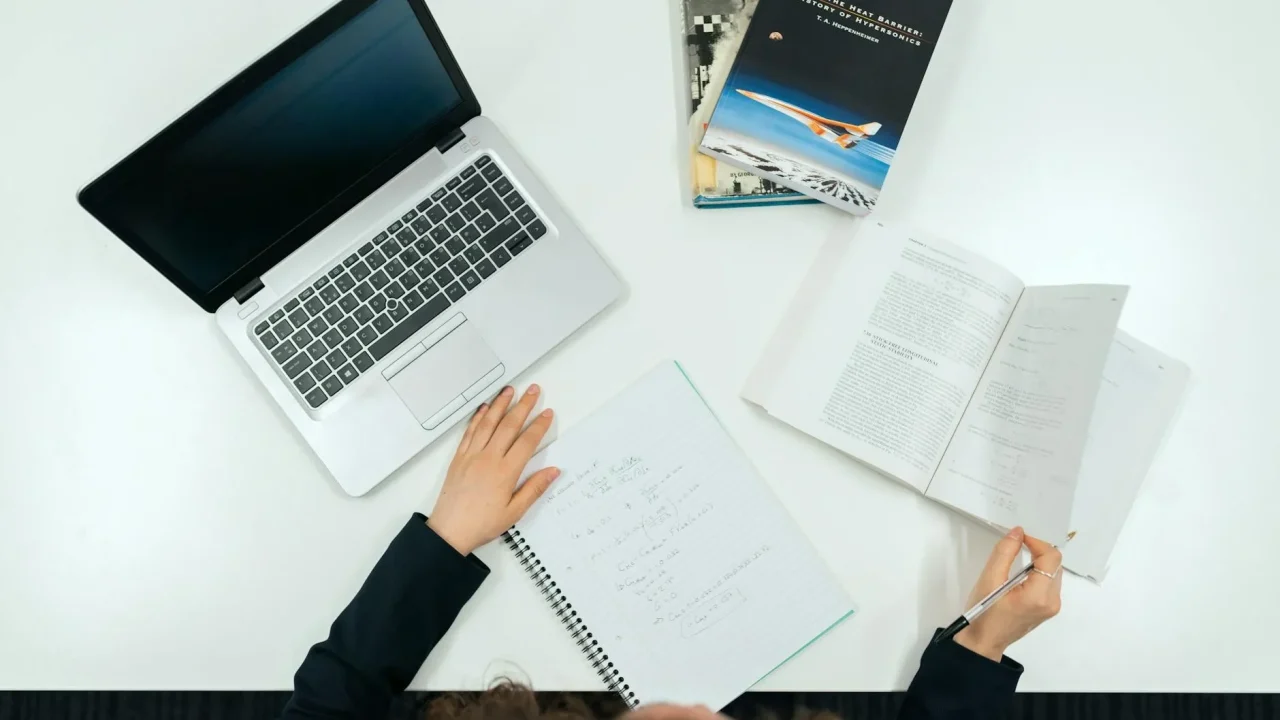
Prepare Well to Build Confidence
Know the Company
Fear grows in the dark. The more you know about the company, the less it feels like a stranger’s office. Read the website, look at its products or services, and check recent news or social media posts. Prepare one or two genuine questions based on what you found.
Understand the Job
Read the job description line by line and match each requirement with something you have done. If you can see how your experience fits, you will feel less like you are bluffing.
Learn About the Interviewer
If the invitation names a person, look up their role. Knowing whether you will meet an HR officer or the department head helps you decide which examples to emphasise.
Practise Until It Feels Familiar
Talk to a Mirror
It feels silly at first, but speaking out loud helps you find awkward phrases and see your expressions. Try the “introduce yourself” answer five times and notice how it gets smoother.
Do a Mock Interview
Ask a friend, sibling, or former colleague to play the interviewer. Give them a list of common questions and ask for honest feedback on clarity and body language.
Record Yourself
Use your phone to record a one-minute answer. Watch it once with the sound off to check posture and gestures, then listen to the audio only to check pace, filler words, and tone. Most people are pleasantly surprised: they look calmer than they feel.
Calm Your Body
Box Breathing
Breathe in through your nose for four seconds, hold for four, breathe out slowly for four, hold for four. Repeat four times. Slow breathing tells your nervous system that there is no emergency. You can do it in the waiting room without anyone noticing.
Light Stretching
Roll your shoulders, loosen your neck, and shake out your hands before you go in. Tension in the body feeds tension in the voice.
Water and Food
Do not go in hungry or on three coffees. Eat a light meal two hours before, drink water, and avoid very sugary snacks that cause a crash.
Change How You Think About the Interview
It Is a Two-Way Conversation
The company is also being evaluated. You are checking whether the team, the schedule, and the workplace suit you. That shift moves you from “being judged” to “exploring a match”, which instantly lowers the pressure.
The Interviewer Wants You to Do Well
Interviewers have a position to fill and are usually hoping that the next candidate is the right one. They are not trying to trap you. Most of them remember being nervous too.
Focus on the Process, Not Only the Result
You cannot control the final decision, but you can control your preparation, your honesty, and your attitude. Judge yourself on those.
Be Organised on the Day
- Arrive early: 15 to 20 minutes gives you time to find the room, use the restroom, and breathe.
- Prepare the night before: clothes, documents, route, and phone charger.
- Check technology: for online interviews, test your connection, camera, and microphone, and keep a backup like a phone hotspot.
Many “nerves” are actually logistics stress: Will I get lost? Will the link work? Remove those worries with planning, and your mind has more room for the actual conversation.
When a Hard Question Hits
Take a Pause
It is fine to say, “That is a good question, let me think for a moment.” A three-second pause looks thoughtful.
Ask for Clarification
If you are unsure what is being asked, ask: “Do you mean in my last job, or in general?” This also buys you time.
Use a Structure
The STAR method (Situation, Task, Action, Result) keeps you from rambling. If your mind goes blank, start with the situation and the rest tends to follow.
If You Blank Completely
Be honest. “I do not have a perfect example right now. May I come back to this question in a moment?” Interviewers respect honesty far more than a confused answer.
Build a Positive Inner Voice
- Affirmations: tell yourself “I am prepared, and I can explain my experience clearly”.
- Visualisation: spend two minutes imagining the interview going well, from walking in to shaking hands at the end.
- Self-respect: whatever the outcome, note what went well and what to improve. Each interview is training.
What to Do in the Last Ten Minutes
The waiting room is where nerves often peak. Put your phone away instead of scrolling. Sit upright, relax your jaw and shoulders, and do two rounds of box breathing. Read your three key points once: why you want this job, one strong example, and one question for the interviewer. Smile at the receptionist and greet others politely. A friendly start often changes your mood as much as it changes theirs.
Common Nervous Habits and Quick Fixes
- Talking too fast: finish a sentence, breathe, then continue. Aim for pauses at full stops.
- Filler words (eh, hmm, jadi, anu): replace them with a short silence. Recording yourself shows how often you use them.
- Fidgeting: rest your hands lightly on the table or hold a pen quietly. Press your feet into the floor to release tension.
- Shaky voice: take a sip of water, exhale slowly, and lower your pitch slightly on the next sentence.
- Blank mind: repeat the question back in your own words. This gives you time and shows you listen.
- Over-apologising: skip phrases like “sorry, my answer may be not good”. Just answer.
A One-Week Practice Plan
- Day 1: research the company and write down what you learned.
- Day 2: list your three strongest stories using the STAR structure.
- Day 3: practise your self-introduction in front of a mirror until it takes about a minute.
- Day 4: record yourself answering five common questions and review the recording.
- Day 5: do a mock interview with a friend and ask for feedback.
- Day 6: prepare outfit, documents, and route, and go to bed early.
- Day 7: light exercise, a good meal, a short breathing session, and then the interview.
If the interview is tomorrow and you have only one evening, do days 2, 3, and 6. Even three hours of focused practice reduces anxiety noticeably, because your brain stops treating the situation as completely unknown.
When the Interview Does Not Go Well
Some interviews will feel bad, and that is part of learning. Write down what happened within an hour: which questions were hard, where you rushed, what you would change. Then let it go for the rest of the day. Many people discover later that an interview they thought was a disaster actually went fine, because interviewers rarely notice small stumbles. Either way, each one makes the next easier.
Remember: Nerves Show Less Than You Think
Most of what you feel inside is invisible from the outside. A fast heartbeat, a dry mouth, and a tight stomach do not show on your face. Interviewers usually see a candidate who is slightly serious and polite, which they read as professional. Keep that in mind when your inner voice says everyone can see you shaking.
Conclusion
You do not need to be fearless. You need to be prepared, to know a few calming techniques, and to treat the interview as a conversation. Start practising today, and browse current job listings on LadangKarir so you have a real interview to prepare for. For more preparation, see our guide to common interview questions and answers and our job interview tips.